



Flexible hoses for high temperatures
High-Temperature flexible hoses: for suction of hot air, fumes, and gases

Extraction of air and exhausted fumes at high temperatures


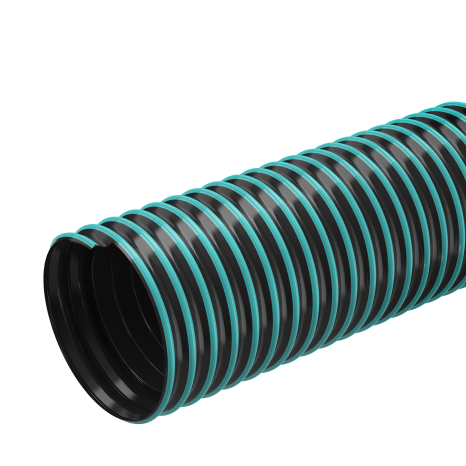
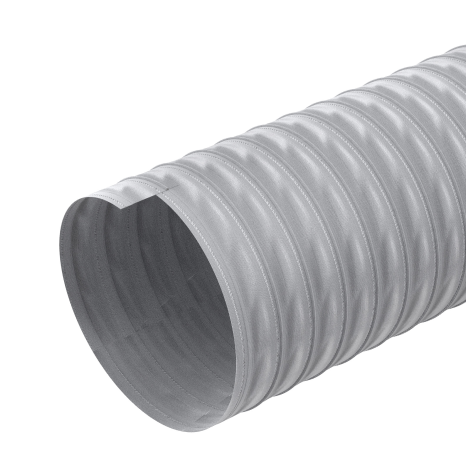


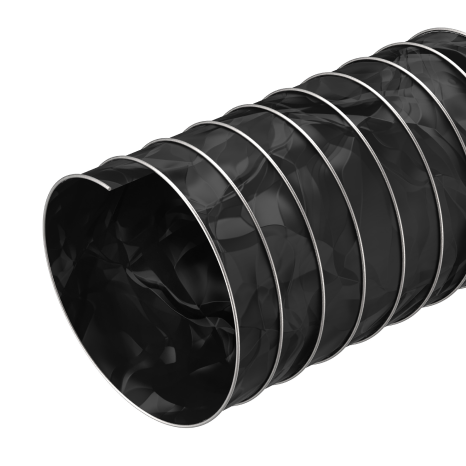
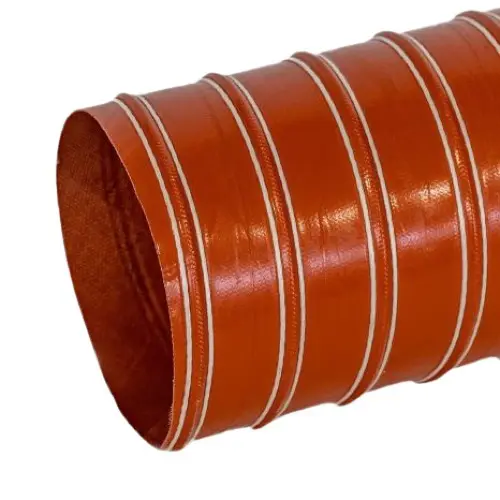

High-temperature flexible hoses are designed for the suction and extraction of hot air, industrial fumes, and exhaust gases in applications that require materials resistant to thermal stress. The choice of the most suitable hose depends on the operating temperature, the nature of the medium being transported, the operating conditions, and the characteristics of the system.
IPL offers a range of high-temperature industrial hoses designed to meet the needs of various applications, with specific solutions for the extraction of hot air, welding fumes, and exhaust gases. The range includes modelscon differenti caratteristiche costruttive e prestazioni termiche, da selezionare in funzione delle necessità dell’applicazione.
What are high-temperature-resistant hoses used for?
High-temperature-resistant flexible hoses are used to convey hot air, fumes, and exhaust gases from a source to an extraction or treatment system. They are used in industrial facilities where the ductwork must adapt to the layout of the machinery, facilitate connections between components, and handle operating conditions characterized by high temperatures.
Compared to a rigid duct, a flexible hose can make installation easier in confined spaces and facilitate the connection of equipment that requires an adaptable connection. However, the solution must be sized based on the actual temperature of the medium, the operating pressure or vacuum, and the expected operating conditions.
Main Applications of high-temperature hoses
High-temperature hoses are used in various industrial processes, especially where it is necessary to suction and extract hot fumes in a controlled way.
- Hot air extraction: for conveying air from industrial processes and equipment.
- Industrial fume extraction: for connection to extraction systems for fumes generated during manufacturing processes.
- Welding fume extraction: For applications that require the capture and removal of fumes produced during welding operations.
- Exhaust gas extraction: To convey hot gases to extraction or treatment systems compatible with the transported substance.
- High-temperature industrial systems: for flexible connections where the material and construction of the hose must be compatible with the thermal conditions of the process.
For each application, it is important to verify the model’s compatibility with the composition of the medium, the continuous temperature, and any temperature peaks.
How to choose a high-temperature hose
The selection of an industrial high-temperature hose must begin with an assessment of the actual operating conditions. It is not enough to consider only the maximum rated temperature: the duration of heat exposure, the nature of the fumes, and mechanical stresses also affect the product’s suitability.
The main parameters to evaluate are:
- Operating temperature: check the temperature limit specified for the model, distinguishing between continuous operation and any short-term temperature peaks.
- Type of air/fumes: determine whether the flexible hose is intended to carry hot air, welding fumes, exhaust gases, or other industrial fumes.
- Structure and materials: Evaluate the construction materials and type of reinforcement based on the operating conditions.
- Diameter and flow rate: select the pipe size based on the system specifications and the required flow rate.
- Flexibility and installation: consider bending radius, movement, vibrations, and available space.
- Safety requirements: Verify any requirements for flame resistance, chemical compatibility, and compliance with specific standards.
A proper assessment of these parameters helps identify an appropriate solution and reduce the risk of premature wear or inadequate performance.
IPL Flexible hoses for High Temperatures
The IPL line includes several series of flexible hoses for extracting hot air, fumes, and high-temperature gases. Each model has specific characteristics that must be evaluated based on the application.
The available solutions include:
- EOLO HT 180°C: for applications compatible with the specified temperature limit.
- EOLO HT 400°C: for applications requiring high heat resistance, in accordance with the conditions specified in the technical data sheet.
- EOLO HT 450°C: for high-temperature applications that require a specific solution for particularly demanding thermal conditions.
- EOLO TERMORESISTENTE: for industrial applications that require flexible hoses with heat-resistant properties
- VULCANO® TPR-A, EOLO CLIP HYPALON e SILDUCT 2S: additional models in the product line, to be evaluated based on their respective technical specifications.
The values associated with the EOLO HT series identify the respective reference temperature classes, but should not automatically be interpreted as continuous operating temperatures under all conditions. To confirm your selection, please consult the most up-to-date product data sheet.
Why choose IPL Industrial Hoses
Selecting a high-temperature hose requires striking a balance between heat resistance, flexibility, fluid compatibility, and installation conditions. IPL offers a range of solutions for various industrial applications, allowing you to identify the product that best meets your system’s requirements.
To select the correct hose, it is advisable to determine in advance the minimum and maximum temperatures, the duration of exposure, the media composition, the required diameter, and any specific safety requirements.
Review the technical data sheets for IPL products to compare their design features and identify the flexible hose best suited for your application.
Do you need to find a high-temperature hose? Contact the IPL team and provide details about your system’s operating conditions to receive assistance in selecting the right product.
Frequently Asked Questions About High-Temperature Hoses
What type of hose should be used to extract hot air and industrial fumes?
The choice depends on the continuous temperature and temperature peaks, the composition of the fumes, the required diameter, and the exhaust conditions. IPL offers several models, including EOLO HT 180°C, EOLO HT 400°C, and EOLO HT 450°C. Please consult the relevant technical data sheets to verify compatibility with your application.
What is the maximum temperature that an industrial hose can withstand?
There is no standard limit that applies to all industrial hoses. The maximum temperature varies depending on the model and the materials used. The IPL line includes products with temperature ratings of 180°C, 400°C, and 450°C. For each product, you must check the maximum permissible temperature, the duration of exposure, and the operating conditions specified in the technical documentation.
What is the difference between continuous temperature and peak temperature?
The continuous temperature is the temperature at which the hose operates for extended periods under the conditions specified by the manufacturer. The peak temperature, on the other hand, is a value reached for a limited period of time. A hose that can withstand brief temperature peaks is not necessarily suitable for continuous operation at that same
Are high-temperature hoses suitable for extracting welding fumes?
Some solutions in the IPL range are designed for the extraction of welding fumes and exhaust gases, even at high temperatures. The selection must take into account the actual temperature, the composition of the fumes, and any requirements for chemical resistance and safety.
How do you choose the diameter of a high-temperature hose?
The diameter must be selected based on the required air flow rate, the conveying velocity, the length of the duct, and the allowable pressure drops. It is also important to consider the characteristics of the extraction system and the fittings used.
Are high-temperature-resistant hose also flame-retardant?
Not necessarily. Heat resistance and flame-retardant properties are different features. The former refers to the hose’s capacity to operate within certain temperature limits; the latter refers to the material’s behavior in the presence of an ignition source and must be verified based on the specifications and certifications applicable to the specific model.
How can you extend the service life of a high-temperature hose?
It is important to comply with the temperature and pressure or vacuum limits specified by the manufacturer, avoid bends with a radius smaller than the minimum allowed, prevent crushing and abrasion, and periodically inspect the condition of the hose and fittings. Any signs of deterioration must be assessed before continuing use.
How can you identify the IPL hose that's best suited for your application?
To identify the most suitable model, you’ll need to provide the operating temperature, any temperature peaks, the required diameter, the installation conditions. IPL technical data sheets and support from the sales team will help you verify the product’s compatibility with your specific application.